
*Linda Tenenbaum's opinions & interesting articles about Tai Chi and Qigong. followmetaichi@gmail.com
Tuesday, August 15, 2017
Is Joint Disease Inevitable?
Do our joints wear out as we age? not necessarily. It's also in some cases a lack of balance/strength/flexibility in the supporting muscles. When these are not equal and in alignment the joint then suffers the friction. Too much sitting, not enough of the right exercise contributes to this poor alignment
Read Aging Backwards to get full body exercises that keep you young.


Monday, April 17, 2017
Ebook Giveaway for Spring 2017!
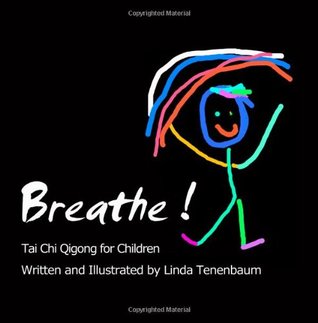
It's hard to believe that only 4.5 years ago I published my book for families: Breathe: Tai Chi Qigong for Children. In that time I have enjoyed hearing from parents and teachers all over the world how they have utilized the book in their personal and professional lives. Without Createspace I would not have been able to share my love for Tai Chi and Qigong with them.
When I wrote the book, Yoga was very well known and popular in North America. These days it is becoming more common for people to know what Tai Chi is, and to a lesser extent Qigong.
Written as a brief gentle introduction to these arts, I hope it piques the interest of parents, teachers and other caregivers and provides a fun introduction to a healthier lifestyle.
To celebrate Spring, I'm offering a free ebook and videos (always free) for you to get started with Tai Chi Qigong.
Visit my website for details.
http://www.followmetaichi.com/breathe-book.html
Tuesday, November 1, 2016
Tuesday, October 4, 2016
Anniversary of Publishing My Book
It's hard to believe that only 4.5 years ago I published my book for families: Breathe: Tai Chi Qigong for Children. In that time I have enjoyed hearing from parents and teachers all over the world how they have utilized the book in their personal and professional lives. Without Createspace I would not have been able to share my love for Tai Chi and Qigong with them.
When I wrote the book, Yoga was very well known and popular in North America. These days it is becoming more common for people to know what Tai Chi is, and to a lesser extent Qigong.
Written as a brief gentle introduction to these arts, I hope it piques the interest of parents, teachers and other caregivers and provides a fun introduction to a healthier lifestyle.
Friday, June 17, 2016
Meditation in Motion - Harvard
This is the best article I've read about Tai Chi in a long time. It's a quick read full of good information, and comes out of Harvard Medical School's Health Harvard Newsletter.
Read it and find out what Tai Chi has for you!
Read it and find out what Tai Chi has for you!
| Mary James, 88 Lindsay Ontario |
"This gentle form of exercise can prevent or ease many ills of aging and could be the perfect activity for the rest of your life.
Tai chi is often described as "meditation in motion," but it might well be called "medication in motion." There is growing evidence that this mind-body practice, which originated in China as a martial art, has value in treating or preventing many health problems. And you can get started even if you aren't in top shape or the best of health."
"A growing body of carefully conducted research is building a compelling case for tai chi as an adjunct to standard medical treatment for the prevention and rehabilitation of many conditions commonly associated with age," says Peter M. Wayne, assistant professor of medicine at Harvard Medical School and director of the Tai Chi and Mind-Body Research Program at Harvard Medical School's Osher Research Center. An adjunct therapy is one that's used together with primary medical treatments, either to address a disease itself or its primary symptoms, or, more generally, to improve a patient's functioning and quality of life."
Read the rest here
Tai Chi Helps Sleep
Often when we are stressed or just can't stop thinking about things, it's difficult to get to sleep. Or sometimes when we wake in the middle of the night we experience the same.
Here's some good news from AARP how Tai Chi has been shown in this study to help with sleep problems.
Staying Sharp - Tai Chi and Sleep
A Simple Routine may help
By: Phil Scott | Source: NRTA Live & Learn | THURSDAY, October 9, 2008
"WHEN YOU THINK OF USING MARTIAL ARTS, it’s usually to wreak havoc among the muscular and the dim-witted—and perhaps any random masked Ninjas out causing trouble. But a new study shows that one particular martial art can also help improve your sleep. Dr. Michael Irwin, the Norman Cousins Professor of Psychiatry and Biobehavioral Sciences at the David Geffen School of Medicine at UCLA and director of the UCLA Cousins Center for Psychoneuroimmunology, studied a group of 112 healthy, older adults between the ages of 59 and 86, randomly assigning them to two groups. One practiced 20 tai chi moves for 25 weeks, and one took classes in healthy lifestyles, including sleep hygiene, for the same period of time. At the end of the study, published in the scientific journal Sleep in July 2008, the class that performed tai chi reported a significant improvement in the quality of their sleep on the Pittsburgh Sleep Quality Index, a self-rated questionnaire."
Here's some good news from AARP how Tai Chi has been shown in this study to help with sleep problems.
Staying Sharp - Tai Chi and Sleep
A Simple Routine may help
By: Phil Scott | Source: NRTA Live & Learn | THURSDAY, October 9, 2008
"WHEN YOU THINK OF USING MARTIAL ARTS, it’s usually to wreak havoc among the muscular and the dim-witted—and perhaps any random masked Ninjas out causing trouble. But a new study shows that one particular martial art can also help improve your sleep. Dr. Michael Irwin, the Norman Cousins Professor of Psychiatry and Biobehavioral Sciences at the David Geffen School of Medicine at UCLA and director of the UCLA Cousins Center for Psychoneuroimmunology, studied a group of 112 healthy, older adults between the ages of 59 and 86, randomly assigning them to two groups. One practiced 20 tai chi moves for 25 weeks, and one took classes in healthy lifestyles, including sleep hygiene, for the same period of time. At the end of the study, published in the scientific journal Sleep in July 2008, the class that performed tai chi reported a significant improvement in the quality of their sleep on the Pittsburgh Sleep Quality Index, a self-rated questionnaire."

Sunday, December 14, 2014

Friday, May 30, 2014
Study of Potential Life Lengthening effect of Tai Chi

Image Caption: "This study provides the first step into providing
scientific evidence for the possible health benefits of Tai Chi." said
Dr. Paul R. Sanberg, distinguished professor at the Center of Excellence
for Aging and Brain Repair, Morsani College of Medicine, University of
South Florida, Tampa, FL. Credit: Thinkstock.com
April Flowers for redOrbit.com – Your Universe Online
Tai Chi Chuan, or Tai Chi as it is commonly known, is an ancient form of Chinese martial arts. Originally developed as a form of self-defense, today Tai Chi has become a graceful exercise used to reduce stress and other health concerns, according to the Mayo Clinic.
A new study from the China Medical University Hospital reveals that Tai Chi also results in an increased expression of cluster of differentiation 34 (CD34+) cells, a stem cell important to a number of the body’s functions and structures.
“To evaluate the potential life-lengthening effect of Tai Chi, we conducted a year-long, retrospective cross-sectional study comparing the rejuvenating and anti-aging effects among three groups of volunteers under the age of 25 who engaged in either Tai Chi (TCC), brisk walking (BW), or no exercise habit (NEH),” said Dr. Shinn-Zong Lin of the Center for Neuropsychiatry, China Medical University Hospital, Taichung, Taiwan. “We used young volunteers because they have better cell-renewing abilities than the old population and we also wanted to avoid having chronic diseases and medications as interfering factors.”
Previous studies have shown that patients with mild to moderate Parkinson’s disease and fibromyalgia have benefited from the practice of Tai Chi. Tai Chi, which is a form of moving meditation, has also been found beneficial in pain reduction, fall prevention and balance improvement, aerobic capacity, blood pressure, quality of life and stress reduction.
“Compared with the NEH group, the TCC group had a significantly higher number of CD 34+ cells,” wrote the authors. “We found that the CD34+ cell count of the TCC group was significantly higher than the BW group.”
The researchers explained that CD34+ cells express the CD34 protein. The cells are also “cluster markers” for hematopoietic, or blood, stem cells. These stem cells are involved in cell self-renewal, differentiation and proliferation.
“It is possible that Tai Chi may prompt vasodilatation and increase blood flow,” said Lin. “Considering that BW may require a larger space or more equipment, Tai Chi seems to be an easier and more convenient choice of anti-aging exercise.”
“This study provides the first step into providing scientific evidence for the possible health benefits of Tai Chi.” said Dr. Paul R. Sanberg, distinguished professor at the Center of Excellence for Aging and Brain Repair, Morsani College of Medicine, University of South Florida, Tampa, FL. “Further study of how Tai Chi can elicit benefit in different populations and on different parameters of aging are necessary to determine its full impact.”
The findings of this study were published in a recent issue of Cell Transplantation.
Tai Chi Chuan, or Tai Chi as it is commonly known, is an ancient form of Chinese martial arts. Originally developed as a form of self-defense, today Tai Chi has become a graceful exercise used to reduce stress and other health concerns, according to the Mayo Clinic.
A new study from the China Medical University Hospital reveals that Tai Chi also results in an increased expression of cluster of differentiation 34 (CD34+) cells, a stem cell important to a number of the body’s functions and structures.
“To evaluate the potential life-lengthening effect of Tai Chi, we conducted a year-long, retrospective cross-sectional study comparing the rejuvenating and anti-aging effects among three groups of volunteers under the age of 25 who engaged in either Tai Chi (TCC), brisk walking (BW), or no exercise habit (NEH),” said Dr. Shinn-Zong Lin of the Center for Neuropsychiatry, China Medical University Hospital, Taichung, Taiwan. “We used young volunteers because they have better cell-renewing abilities than the old population and we also wanted to avoid having chronic diseases and medications as interfering factors.”
Previous studies have shown that patients with mild to moderate Parkinson’s disease and fibromyalgia have benefited from the practice of Tai Chi. Tai Chi, which is a form of moving meditation, has also been found beneficial in pain reduction, fall prevention and balance improvement, aerobic capacity, blood pressure, quality of life and stress reduction.
“Compared with the NEH group, the TCC group had a significantly higher number of CD 34+ cells,” wrote the authors. “We found that the CD34+ cell count of the TCC group was significantly higher than the BW group.”
The researchers explained that CD34+ cells express the CD34 protein. The cells are also “cluster markers” for hematopoietic, or blood, stem cells. These stem cells are involved in cell self-renewal, differentiation and proliferation.
“It is possible that Tai Chi may prompt vasodilatation and increase blood flow,” said Lin. “Considering that BW may require a larger space or more equipment, Tai Chi seems to be an easier and more convenient choice of anti-aging exercise.”
“This study provides the first step into providing scientific evidence for the possible health benefits of Tai Chi.” said Dr. Paul R. Sanberg, distinguished professor at the Center of Excellence for Aging and Brain Repair, Morsani College of Medicine, University of South Florida, Tampa, FL. “Further study of how Tai Chi can elicit benefit in different populations and on different parameters of aging are necessary to determine its full impact.”
The findings of this study were published in a recent issue of Cell Transplantation.
Read more at http://www.redorbit.com/news/health/1113157184/tai-chi-for-longevity-052914/#ghucEQ81vgWgchPW.99
Monday, April 28, 2014
Too cold for outside but we still had a great time!
Marina del Rey Tai Chi group led by Linda Tenenbaum
met at 10 am on Saturday April 26, 2014
met at 10 am on Saturday April 26, 2014
to celebrate World Tai Chi & Qigong Day.

Read more about it here http://www.worldtaichiday.org/
Friday, April 25, 2014
World Tai Chi and Qigong Day Saturday April 26 10 am
BE A HEALING PART OF HISTORY !! do some Tai chi or Qigong this Saturday.
Big group at Queens Park, Toronto,
but anywhere you can be part of this event is good!
The last Saturday of April each year (at 10 am local time) in 100s of cities, spanning over 80 nations, people come together, to breathe together, providing a healing vision for our world.
Be a part of World Tai Chi & Qigong Day!
Help spread the word! WTCQD is April 26, 2014. Click to see videos of past global events One World ... One Breath http://www.worldtaichiday.org/
Big group at Queens Park, Toronto,
but anywhere you can be part of this event is good!
The last Saturday of April each year (at 10 am local time) in 100s of cities, spanning over 80 nations, people come together, to breathe together, providing a healing vision for our world.
Be a part of World Tai Chi & Qigong Day!
Help spread the word! WTCQD is April 26, 2014. Click to see videos of past global events One World ... One Breath http://www.worldtaichiday.org/
Friday, March 28, 2014
Exercise is not just for your Body!
http://www.humankinetics.com/excerpts/excerpts/learn-how-exercise-benefits-the-brain
How Exercise Benefits the Brain
Exercise creates the optimal environment for neural plasticity, the ability of the brain to change. Exercise puts the brain and body into balance naturally by regulating brain chemicals that control mood and responses to stress. Research on the brain reveals how exercise can aid in learning and cognition (Ratey 2008)
Enhanced Cognition
Improved Memory
Reduced Stress
Balanced Mood and Behavior
Improved Social Skills and Behavior
Improved Academic Performance
To Read the whole article click HERE
Monday, July 15, 2013

Friday, April 26, 2013


Friday, March 8, 2013
Sunday, February 17, 2013
To sleep or not to sleep? that is the question.
Some of us are lucky to sleep well, but from time to time we wake up in the middle of the night and can't get back to sleep. For others sleep is evasive most of the time and sometimes even impossible! Whichever category you find your self in, the techniques for getting back to sleep are the same. These will work, but there are many factors to consider before trying Tai Chi Breathing.
If you can change some of those above causes, that will help and you can also implement some relaxation strategies for falling back asleep:
Calming the mind and relaxing the body will aid in allowing you to fall back into a sleep pattern.
There are many techniques from hypnosis to listening to recordings of soft waves or sleep music CDs.There is a technique called Jacobson method for progressive muscle relaxation."*
It's like counting sheep, sort of. You lay comfortably in your bed on your back to start with. If you need a pillow make sure it is not too big, or just lay on the mattress. Keep the pillow nearby for later on when you are ready to sleep. Place your hands on your lower belly, just below the belly button. Start to let go of the muscles in your abdomen, and feel the breath go in and out of your body. Don't force the breathing, just notice the breaths. Connect the tongue to the top of your mouth or palate or behind your top front teeth. and lightly close your lips. You may notice your abdomen slightly rising as you breathe in and falling as you breathe out.
Start to count your breaths. I find counting up to ten and starting over again is easier and less thinking than counting all the way up to 100 or down from 100. Anyways, it's not a contest. Just count as you breathe gently in and out. By focusing on the breath and counting, your mind is now beginning to move into a meditative state, which is the preparation for totally relaxing and subsequently falling asleep. Don't be upset if some thoughts drift through your mind, just gently but firmly send them on their way and get back to the counting and following the breaths. You will begin to feel you body relax more and when you just feel like you can't count one more breath, you are ready to find your comfortable sleep position and drift off.
If this doesn't work for you, some of my students actually get up from the bed and do a very gentle version of a Tai chi move or moves (any ones you like) focusing on the move and breathing gently, for 10 minutes or so and then go to the bed and follow up with the breathing.
Tai Chi practice and Sleep Studies:
Dr. Michael Irwin, the Norman Cousins Professor of Psychiatry and Biobehavioral Sciences at the David Geffen School of Medicine at UCLA and director of the UCLA Cousins Center for Psychoneuroimmunology, studied a group of 112 healthy, older adults between the ages of 59 and 86, randomly assigning them to two groups. One practiced 20 tai chi moves for 25 weeks, and one took classes in healthy lifestyles, including sleep hygiene, for the same period of time. At the end of the study, published in the scientific journal Sleep in July 2008, the class that performed tai chi reported a significant improvement in the quality of their sleep on the Pittsburgh Sleep Quality Index, a self-rated questionnaire." read more
The following* may be preventing you from getting back or even beginning to get to sleep:"
- Sleep habits we learned as children.
- Going to bed at different times each night
- Daytime napping
- Poor sleeping environment, such as too much noise or light
- Spending too much time in bed while awake
- Working evening or night shifts
- Not getting enough exercise
- Using the television, computer, or smartphone in bed
Use of:- Alcohol or other drugs
- Heavy smoking
- Too much caffeine, especially late in the day
- Getting used to certain types of sleep medications
- Some cold medications and diet pills
- Other medicines, herbs, or supplements
- Anxiety disorders
- Certain medical conditions, such as thyroid disease
- Feeling sad or depressed. Often, insomnia is the symptom that causes people with depression to seek medical help.
- Physical pain or discomfort
- Stress,
whether it is short-term or long-term. For some people, the stress
caused by the insomnia makes it even harder to fall asleep.
Sleep Apnea

If you can change some of those above causes, that will help and you can also implement some relaxation strategies for falling back asleep:
Calming the mind and relaxing the body will aid in allowing you to fall back into a sleep pattern.
There are many techniques from hypnosis to listening to recordings of soft waves or sleep music CDs.There is a technique called Jacobson method for progressive muscle relaxation."*
Tai Chi Breathing
There is also a very simple Tai Chi breathing technique that many of my students have successfully used!It's like counting sheep, sort of. You lay comfortably in your bed on your back to start with. If you need a pillow make sure it is not too big, or just lay on the mattress. Keep the pillow nearby for later on when you are ready to sleep. Place your hands on your lower belly, just below the belly button. Start to let go of the muscles in your abdomen, and feel the breath go in and out of your body. Don't force the breathing, just notice the breaths. Connect the tongue to the top of your mouth or palate or behind your top front teeth. and lightly close your lips. You may notice your abdomen slightly rising as you breathe in and falling as you breathe out.
Start to count your breaths. I find counting up to ten and starting over again is easier and less thinking than counting all the way up to 100 or down from 100. Anyways, it's not a contest. Just count as you breathe gently in and out. By focusing on the breath and counting, your mind is now beginning to move into a meditative state, which is the preparation for totally relaxing and subsequently falling asleep. Don't be upset if some thoughts drift through your mind, just gently but firmly send them on their way and get back to the counting and following the breaths. You will begin to feel you body relax more and when you just feel like you can't count one more breath, you are ready to find your comfortable sleep position and drift off.
If this doesn't work for you, some of my students actually get up from the bed and do a very gentle version of a Tai chi move or moves (any ones you like) focusing on the move and breathing gently, for 10 minutes or so and then go to the bed and follow up with the breathing.
Good luck and Sweet dreams!
*Article from ADAM Medical Encyclopedia Pub Med HealthTai Chi practice and Sleep Studies:
Dr. Michael Irwin, the Norman Cousins Professor of Psychiatry and Biobehavioral Sciences at the David Geffen School of Medicine at UCLA and director of the UCLA Cousins Center for Psychoneuroimmunology, studied a group of 112 healthy, older adults between the ages of 59 and 86, randomly assigning them to two groups. One practiced 20 tai chi moves for 25 weeks, and one took classes in healthy lifestyles, including sleep hygiene, for the same period of time. At the end of the study, published in the scientific journal Sleep in July 2008, the class that performed tai chi reported a significant improvement in the quality of their sleep on the Pittsburgh Sleep Quality Index, a self-rated questionnaire." read more
Friday, December 14, 2012
Tai Chi for Medical Conditions Harvard Medical School Publications
Tai chi for medical conditions
When combined with standard treatment, tai chi appears to be helpful for several medical conditions. For example:Arthritis. In a 40-person study at Tufts University, presented in October 2008 at a meeting of the American College of Rheumatology, an hour of tai chi twice a week for 12 weeks reduced pain and improved mood and physical functioning more than standard stretching exercises in people with severe knee osteoarthritis. According to a Korean study published in December 2008 in Evidence-based Complementary and Alternative Medicine, eight weeks of tai chi classes followed by eight weeks of home practice significantly improved flexibility and slowed the disease process in patients with ankylosing spondylitis, a painful and debilitating inflammatory form of arthritis that affects the spine.

Low bone density. A review of six controlled studies by Dr. Wayne and other Harvard researchers indicates that tai chi may be a safe and effective way to maintain bone density in postmenopausal women. A controlled study of tai chi in women with osteopenia (diminished bone density not as severe as osteoporosis) is under way at the Osher Research Center and Boston's Beth Israel Deaconess Medical Center.
Breast cancer. Tai chi has shown potential for improving quality of life and functional capacity (the physical ability to carry out normal daily activities, such as work or exercise) in women suffering from breast cancer or the side effects of breast cancer treatment. For example, a 2008 study at the University of Rochester, published in Medicine and Sport Science, found that quality of life and functional capacity (including aerobic capacity, muscular strength, and flexibility) improved in women with breast cancer who did 12 weeks of tai chi, while declining in a control group that received only supportive therapy.
Heart disease. A 53-person study at National Taiwan University found that a year of tai chi significantly boosted exercise capacity, lowered blood pressure, and improved levels of cholesterol, triglycerides, insulin, and C-reactive protein in people at high risk for heart disease. The study, which was published in the September 2008 Journal of Alternative and Complementary Medicine, found no improvement in a control group that did not practice tai chi.
Heart failure. In a 30-person pilot study at Harvard Medical School, 12 weeks of tai chi improved participants' ability to walk and quality of life. It also reduced blood levels of B-type natriuretic protein, an indicator of heart failure. A 150-patient controlled trial is under way.
Hypertension. In a review of 26 studies in English or Chinese published in Preventive Cardiology (Spring 2008), Dr. Yeh reported that in 85% of trials, tai chi lowered blood pressure — with improvements ranging from 3 to 32 mm Hg in systolic pressure and from 2 to 18 mm Hg in diastolic pressure.
Parkinson's disease. A 33-person pilot study from Washington University School of Medicine in St. Louis, published in Gait and Posture (October 2008), found that people with mild to moderately severe Parkinson's disease showed improved balance, walking ability, and overall well-being after 20 tai chi sessions.
Sleep problems. In a University of California, Los Angeles, study of 112 healthy older adults with moderate sleep complaints, 16 weeks of tai chi improved the quality and duration of sleep significantly more than standard sleep education. The study was published in the July 2008 issue of the journal Sleep.
Stroke. In 136 patients who'd had a stroke at least six months earlier, 12 weeks of tai chi improved standing balance more than a general exercise program that entailed breathing, stretching, and mobilizing muscles and joints involved in sitting and walking. Findings were published in the January 2009 issue of Neurorehabilitation and Neural Repair.
No pain, big gains published in Harvard Medical School Publications
No pain, big gains
Although tai chi is slow and gentle and doesn't leave you breathless, it addresses the key components of fitness — muscle strength, flexibility, balance, and, to a lesser degree, aerobic conditioning. Here's some of the evidence:Muscle strength. In a 2006 study published in Alternative Therapies in Health and Medicine, Stanford University researchers reported benefits of tai chi in 39 women and men, average age 66, with below-average fitness and at least one cardiovascular risk factor. After taking 36 tai chi classes in 12 weeks, they showed improvement in both lower-body strength (measured by the number of times they could rise from a chair in 30 seconds) and upper-body strength (measured by their ability to do arm curls).
In a Japanese study using the same strength measures, 113 older adults were assigned to different 12-week exercise programs, including tai chi, brisk walking, and resistance training. People who did tai chi improved more than 30% in lower-body strength and 25% in arm strength — almost as much as those who participated in resistance training, and more than those assigned to brisk walking.
"Although you aren't working with weights or resistance bands, the unsupported arm exercise involved in tai chi strengthens your upper body," says internist Dr. Gloria Yeh, an assistant professor at Harvard Medical School. "Tai chi strengthens both the lower and upper extremities and also the core muscles of the back and abdomen."

Flexibility. Women in the 2006 Stanford study significantly boosted upper- and lower-body flexibility as well as strength.
Balance. Tai chi improves balance and, according to some studies, reduces falls. Proprioception — the ability to sense the position of one's body in space — declines with age. Tai chi helps train this sense, which is a function of sensory neurons in the inner ear and stretch receptors in the muscles and ligaments. Tai chi also improves muscle strength and flexibility, which makes it easier to recover from a stumble. Fear of falling can make you more likely to fall; some studies have found that tai chi training helps reduce that fear.
Aerobic conditioning. Depending on the speed and size of the movements, tai chi can provide some aerobic benefits. But in the Japanese study, only participants assigned to brisk walking gained much aerobic fitness. If your clinician advises a more intense cardio workout with a higher heart rate than tai chi can offer, you may need something more aerobic as well.
Wednesday, October 31, 2012
5 Finger Qigong for Relaxation
Several of my students have been requesting this short video, so here it is again:
I found this guided 5 minute video on youtube which is a quick Qigong meditation.. very relaxing.
5 Finger Qigong for Relaxation & Relief from Anxiety
5 Finger Qigong for Relaxation & Relief from Anxiety
Wednesday, October 17, 2012
70% of falls in elderly shown to be incorrect weight shifting
Another great reason to practice Tai Chi!
"TORONTO - Falls among seniors are a major cause of disability and death, but knowing what led to a split-second fall can often be difficult to figure out after a person is found sprawled on the ground.
So researchers used strategically placed video cameras in long-term care facilities to capture spills among residents so they could analyze the mechanics of various falls, with the goal of improving prevention.
"We've known for a long time that falls are the number 1 cause of injury in older adults, including 90 per cent of hip fractures and 60 per cent of head injuries. They're also the number 1 cause of injury-related deaths," said Stephen Robinovitch, a researcher at Simon Fraser University who specializes in injury prevention and mobility biomechanics.
"So there's been a great deal of research focusing on the cause of falls, prevention of falls and fall-related injuries," Robinovitch, who led the study published in this week's issue of the Lancet, said from Burnaby, B.C. "But really up until now, we've had no objective evidence on how and why these events occur."
To get a better sense of what happens when someone takes a tumble, researchers set up video cameras in hallways, public dining halls and lounges in two B.C. long-term care residences. They analyzed recordings of 227 falls involving 130 individuals, separating the falls into three stages: initiation, descent and impact.
"So what we found was that about 20 per cent of falls were due to trips and 10 per cent were due to being bumped or nudged by someone else, or hit by a door closing," he said.
"But the remaining 70 per cent — and the reason why we think falls are so common in this population of frailer individuals in long-term care — they basically occurred during a failed attempt at performing daily activities like walking, sitting down and even just standing quietly.
"And they were most often due to what we call incorrect weight shifting," he said, explaining that the person leaned too far past their centre of gravity, losing their base of support between the feet and the ground.
"TORONTO - Falls among seniors are a major cause of disability and death, but knowing what led to a split-second fall can often be difficult to figure out after a person is found sprawled on the ground.
So researchers used strategically placed video cameras in long-term care facilities to capture spills among residents so they could analyze the mechanics of various falls, with the goal of improving prevention.
"We've known for a long time that falls are the number 1 cause of injury in older adults, including 90 per cent of hip fractures and 60 per cent of head injuries. They're also the number 1 cause of injury-related deaths," said Stephen Robinovitch, a researcher at Simon Fraser University who specializes in injury prevention and mobility biomechanics.
"So there's been a great deal of research focusing on the cause of falls, prevention of falls and fall-related injuries," Robinovitch, who led the study published in this week's issue of the Lancet, said from Burnaby, B.C. "But really up until now, we've had no objective evidence on how and why these events occur."
To get a better sense of what happens when someone takes a tumble, researchers set up video cameras in hallways, public dining halls and lounges in two B.C. long-term care residences. They analyzed recordings of 227 falls involving 130 individuals, separating the falls into three stages: initiation, descent and impact.
"So what we found was that about 20 per cent of falls were due to trips and 10 per cent were due to being bumped or nudged by someone else, or hit by a door closing," he said.
"But the remaining 70 per cent — and the reason why we think falls are so common in this population of frailer individuals in long-term care — they basically occurred during a failed attempt at performing daily activities like walking, sitting down and even just standing quietly.
"And they were most often due to what we call incorrect weight shifting," he said, explaining that the person leaned too far past their centre of gravity, losing their base of support between the feet and the ground.
Subscribe to:
Posts (Atom)